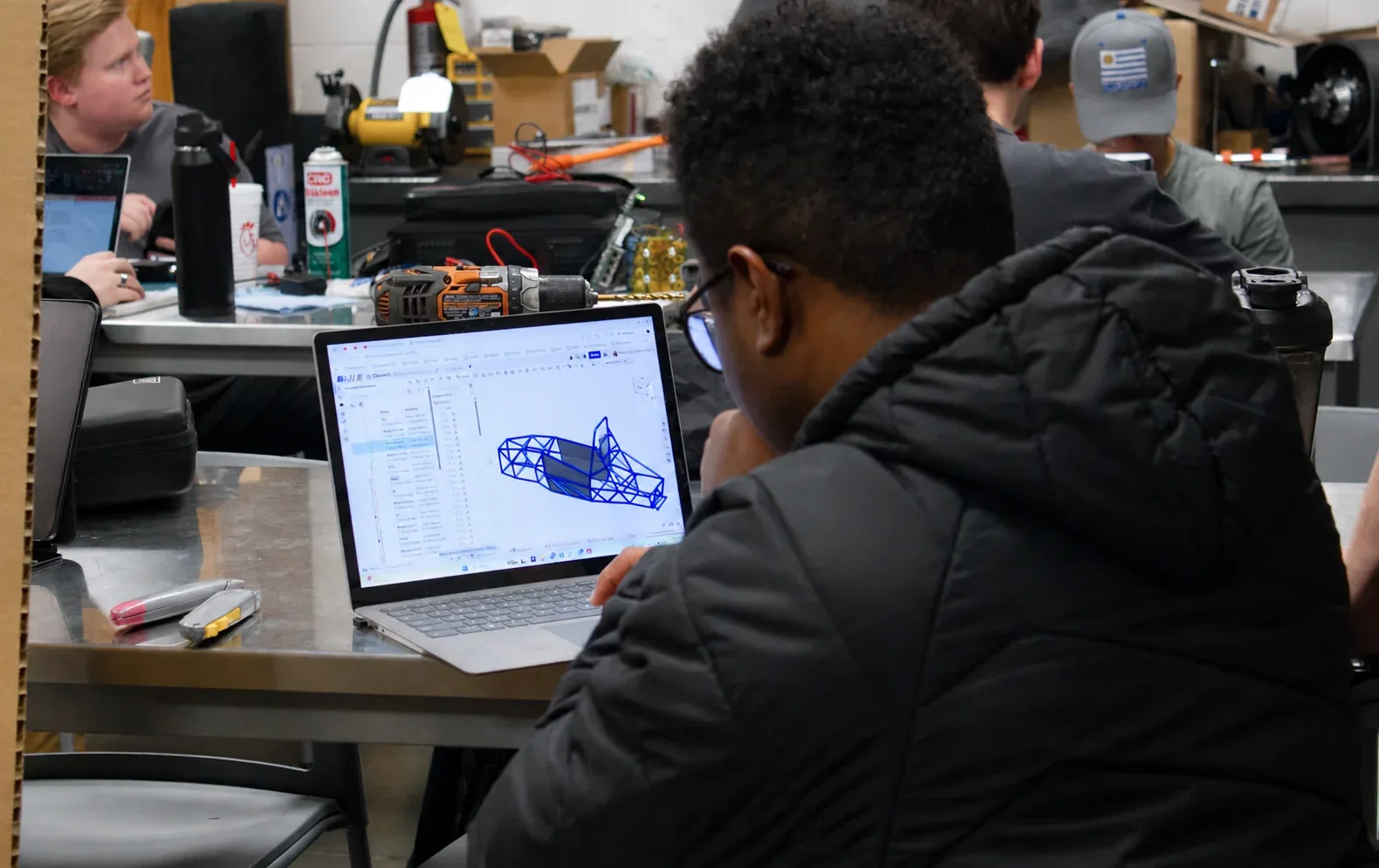
MECHANICAL
Mechanical work connects design ideas with the demands of a working car. From component layouts and CAD models to testing and refinement, the focus is on how parts fit, move, and perform together.
“We, too, must build something we have never built before in order to go someplace we have never been before.”
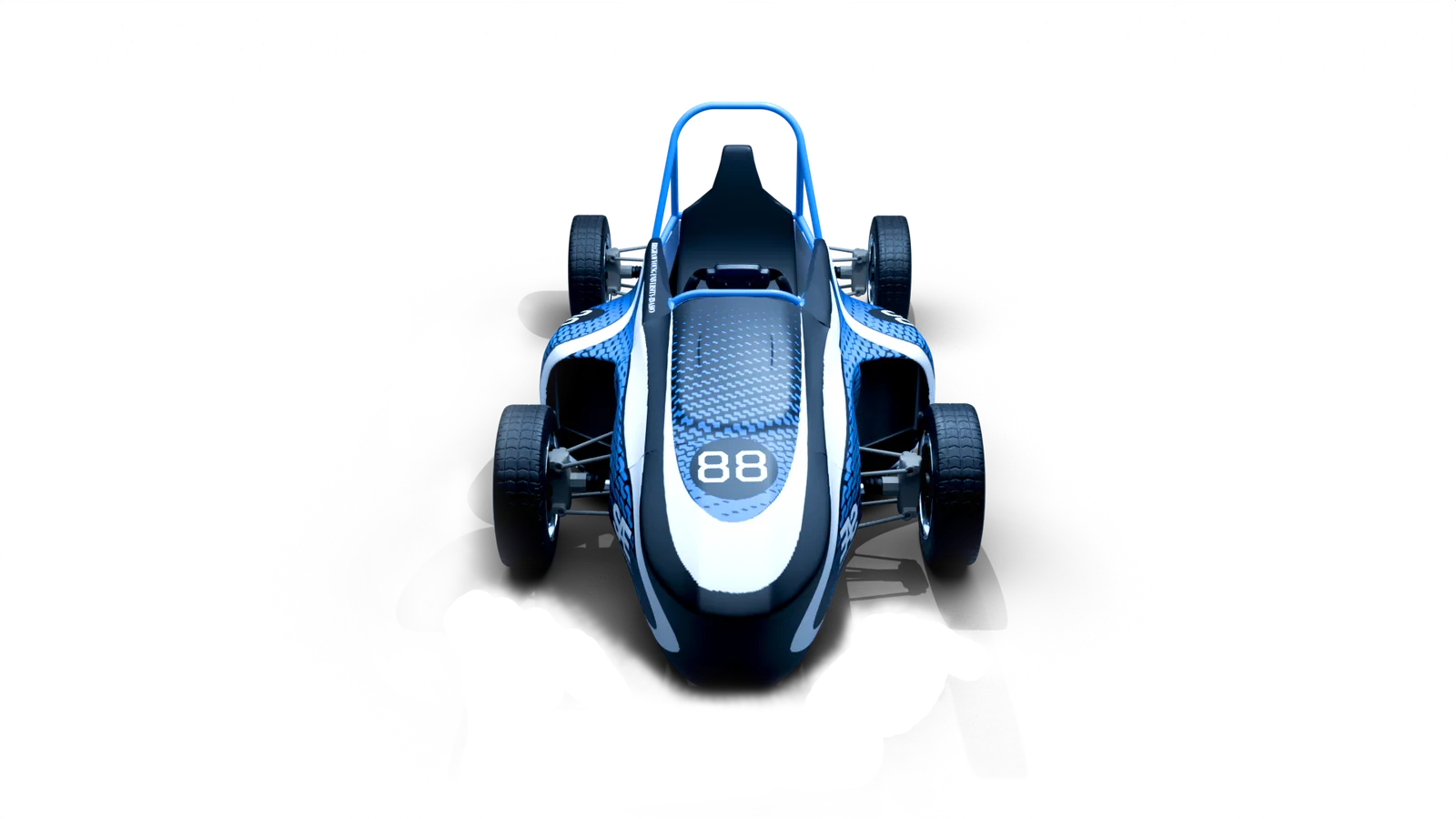
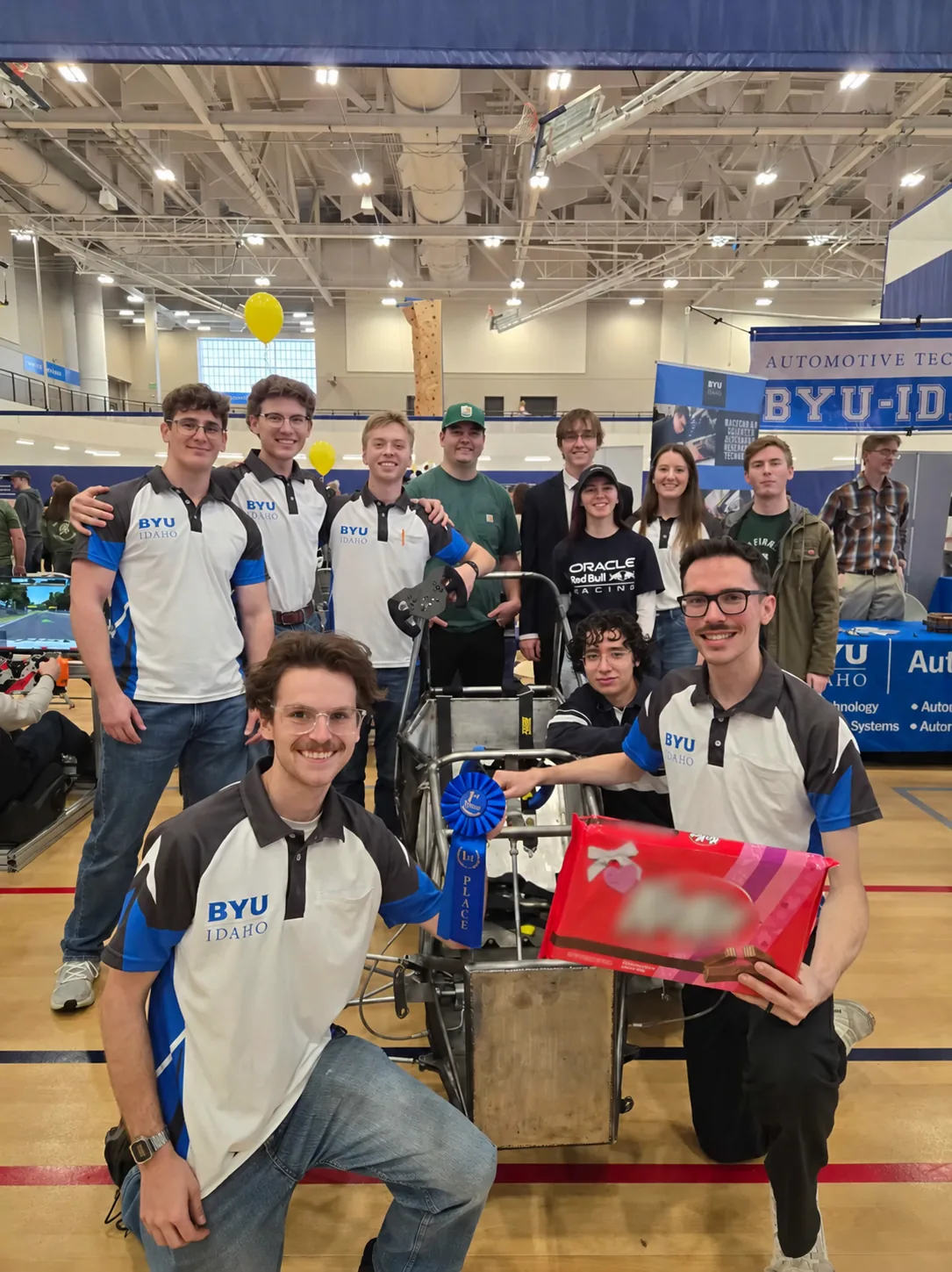
VIKING.1 is the most major-diverse project on campus, with students representing every college at BYU-Idaho.
Students design parts, build electrical systems, organize the project, and work with in-kind partners. They must explain their work to teammates from other majors and understand how it affects the rest of the car. It’s a chance to put what they’re studying, pick up skills outside their major, and see a project through with people they might never meet in class.
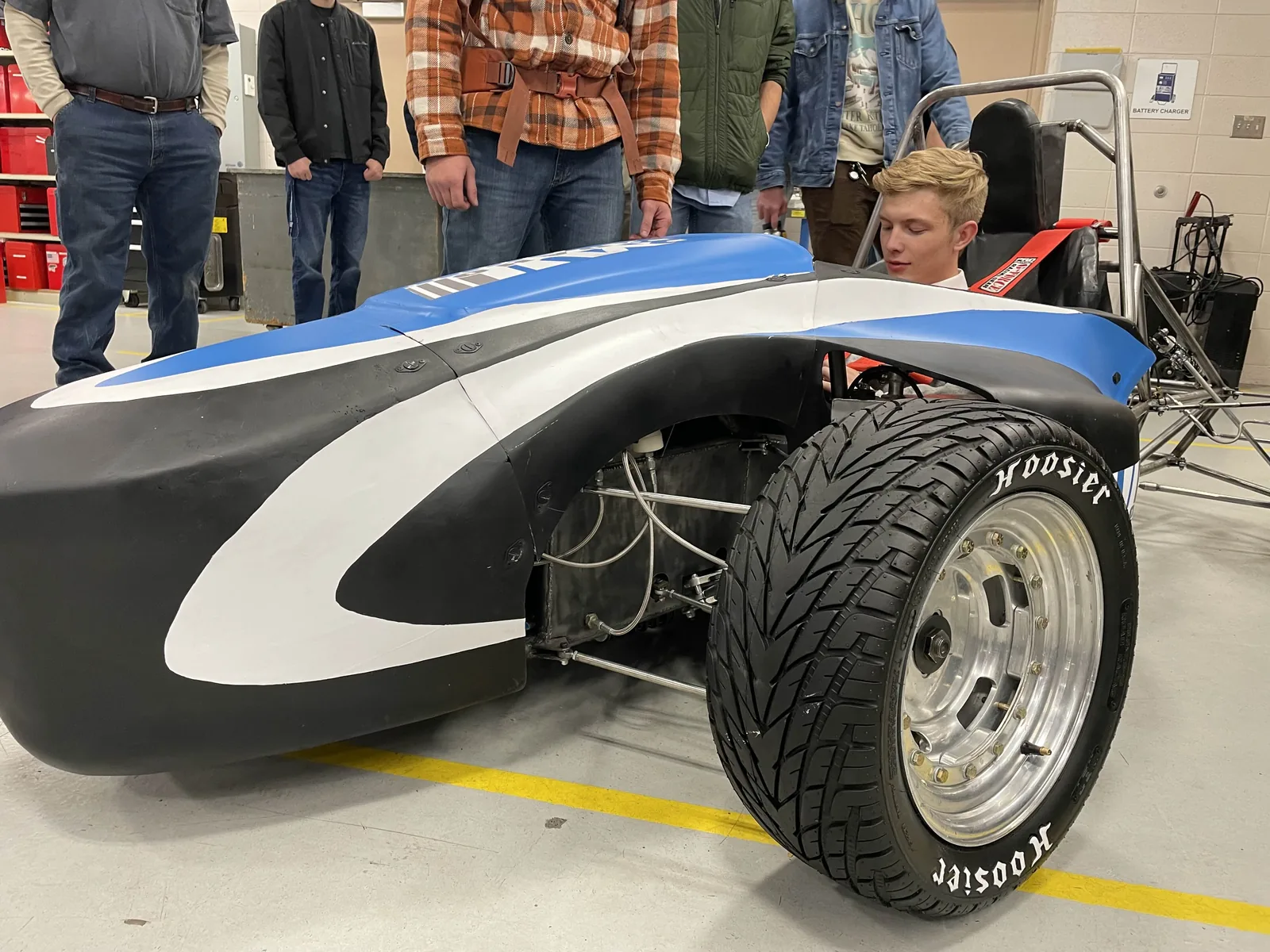
Subteams
Mechanical work connects design ideas with the demands of a working car. From component layouts and CAD models to testing and refinement, the focus is on how parts fit, move, and perform together.
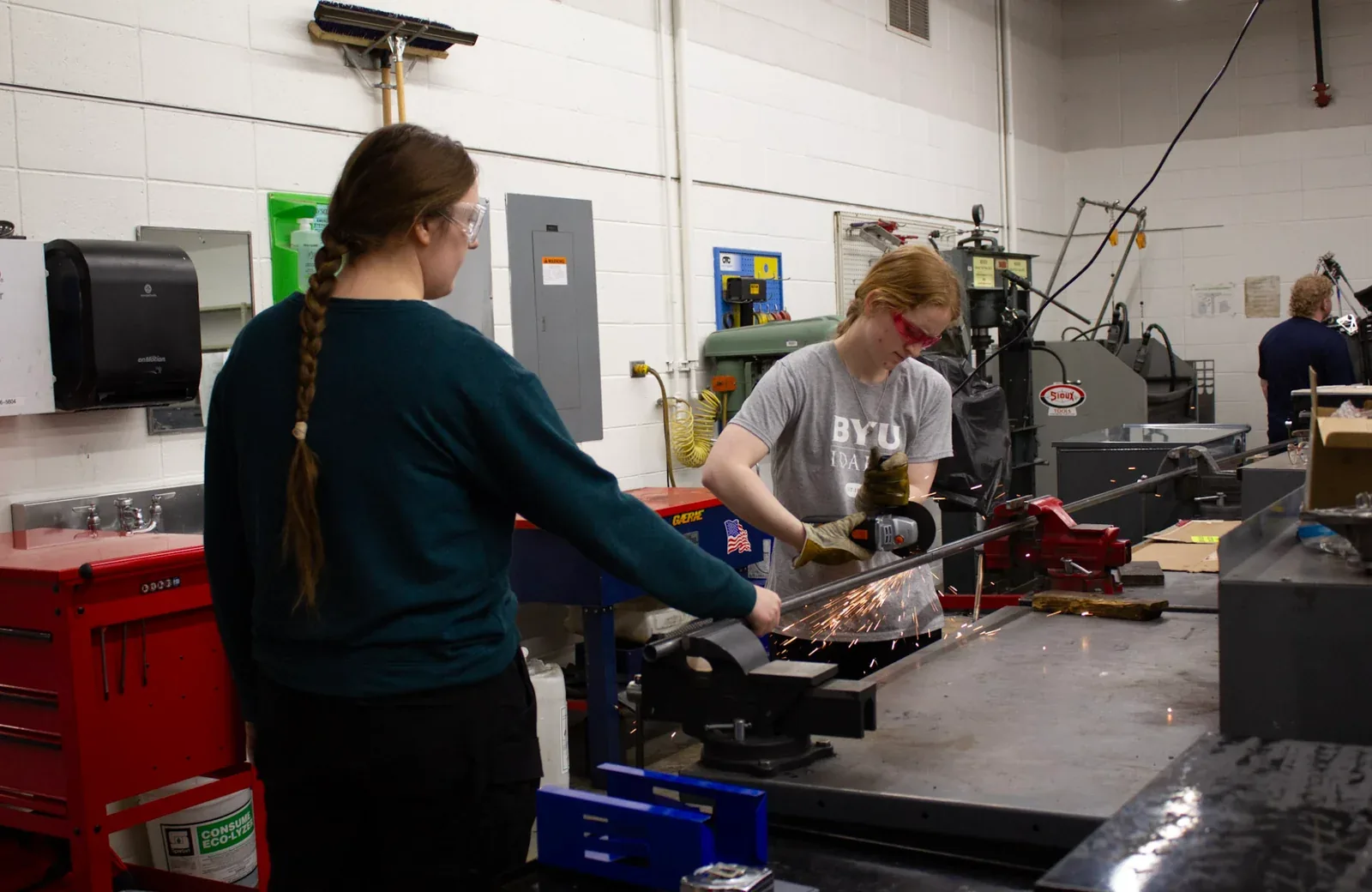
Technical work turns drawings and plans into physical systems. Fabrication, assembly, and careful inspection bring the build together, with attention to safe workshop practices, clear procedures, and the details that make parts work as intended.
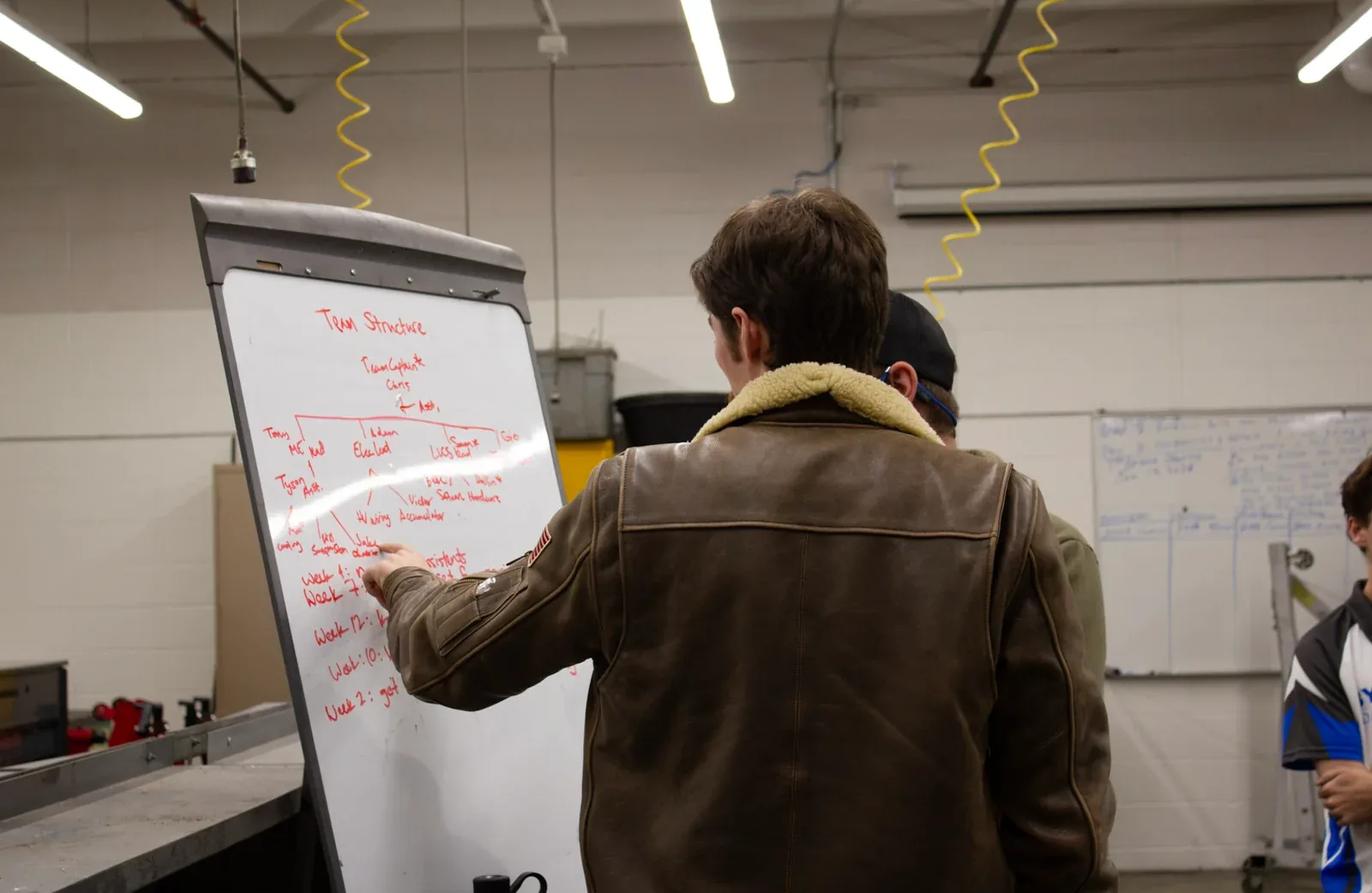
Business work keeps the project organised and connected. Planning, documentation, outreach, and in-kind partnerships help coordinate the people and resources behind the build while sharing the team’s work with the wider community.
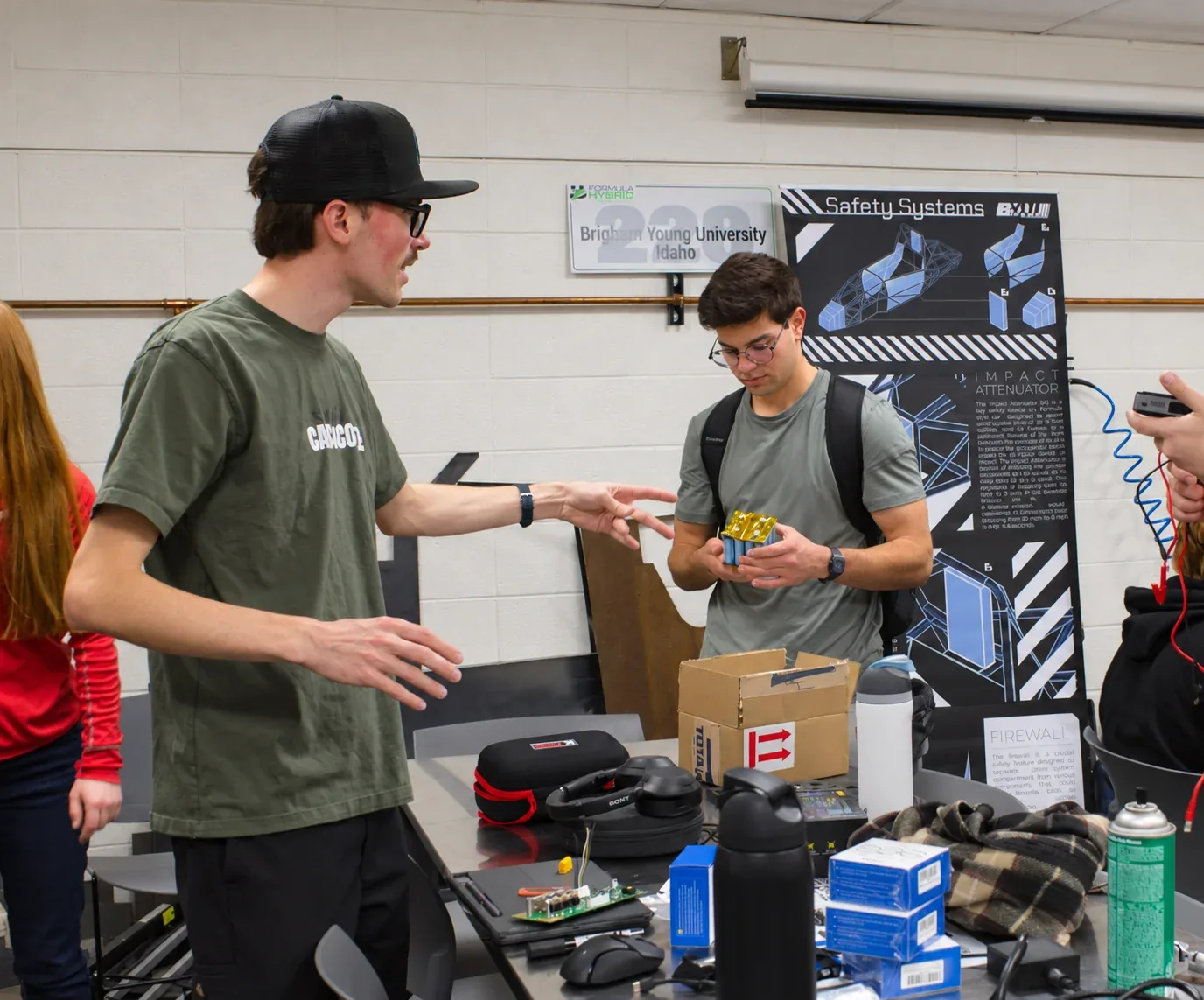
Electrical work connects power, wiring, sensing, and control. Understanding how low- and high-voltage systems interact helps guide thoughtful integration, troubleshooting, and testing, with careful attention to safety and communication across the team.