PEOPLE FIRST.
RACING FORWARD.
“They will have the power to innovate and improve without requiring more of what money can buy.”
Our purpose
LEARNING THAT LEAVES
THE CLASSROOM.
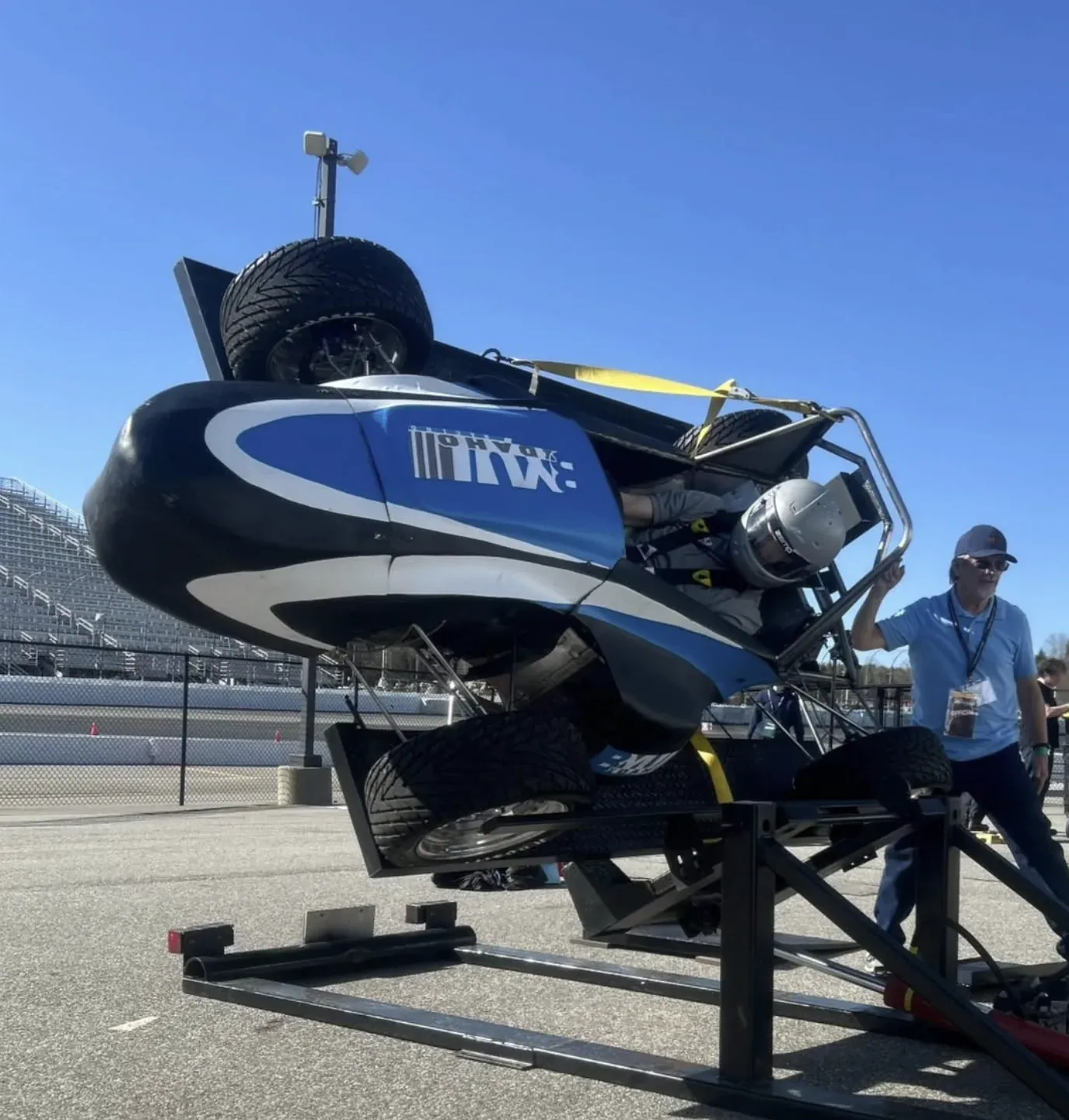
Unique to the BYU-I Formula Team is our commitment to both our studies and our dreams.
The work
DIFFERENT SKILLS.
ONE DIRECTION.
01 / MECHANICAL
DESIGN. BUILD. TEST.
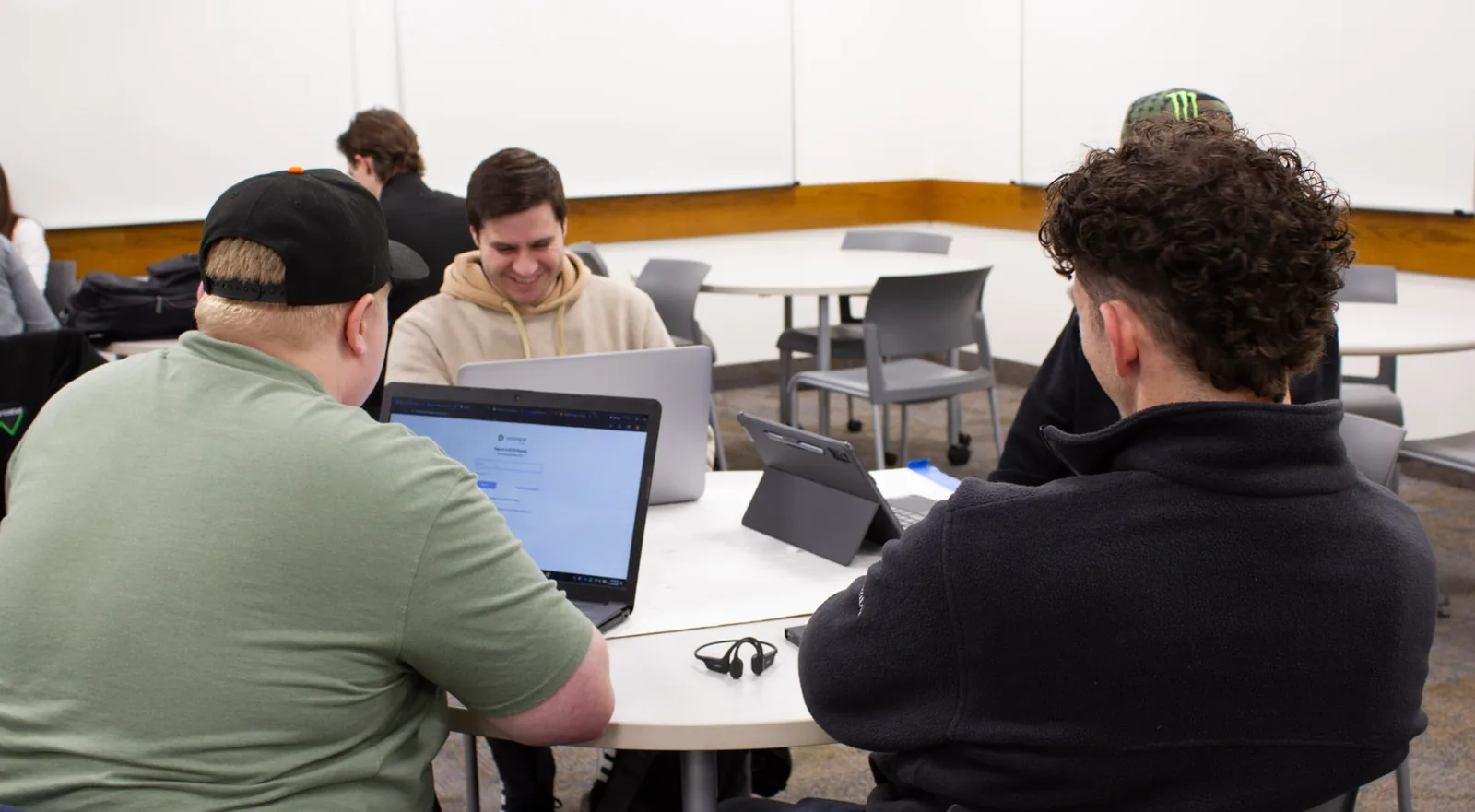
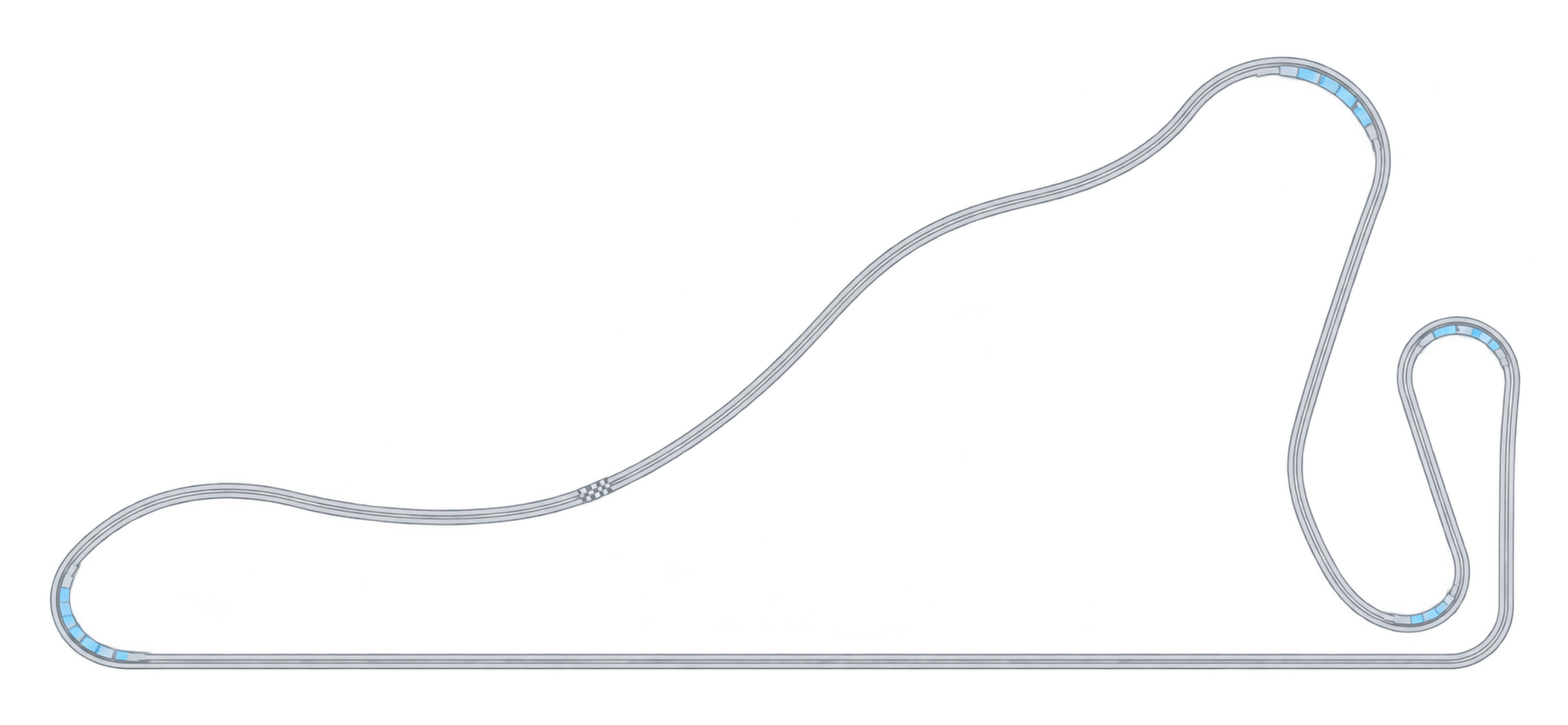
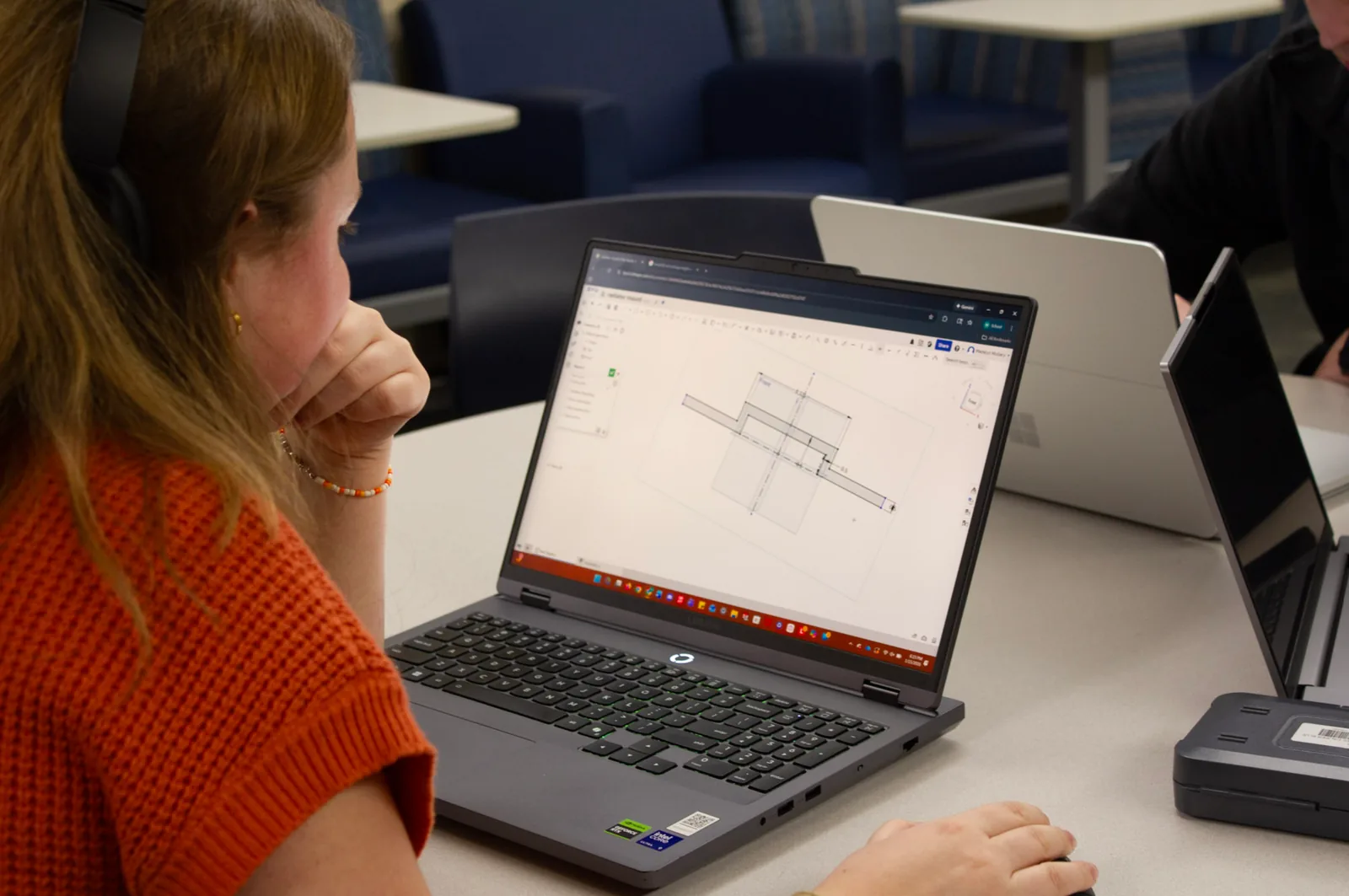
Mechanical work connects design ideas with the demands of a working car. From component layouts and CAD models to testing and refinement, the focus is on how parts fit, move, and perform together.
02 / TECHNICAL
MAKE IDEAS REAL.
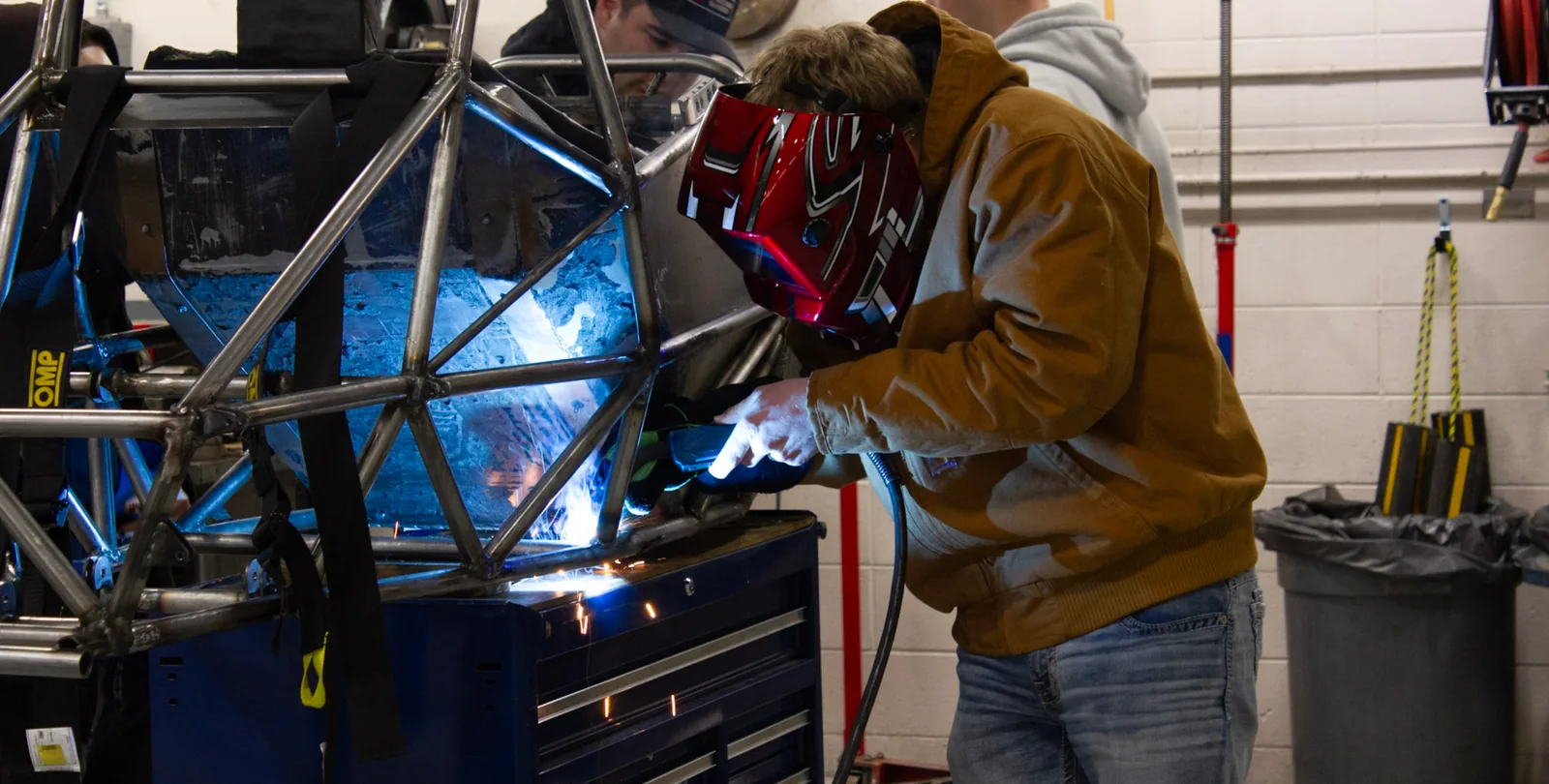
Technical work turns drawings and plans into physical systems. Fabrication, assembly, and careful inspection bring the build together, with attention to safe workshop practices, clear procedures, and the details that make parts work as intended.
03 / BUSINESS
PLAN. CONNECT. GROW.
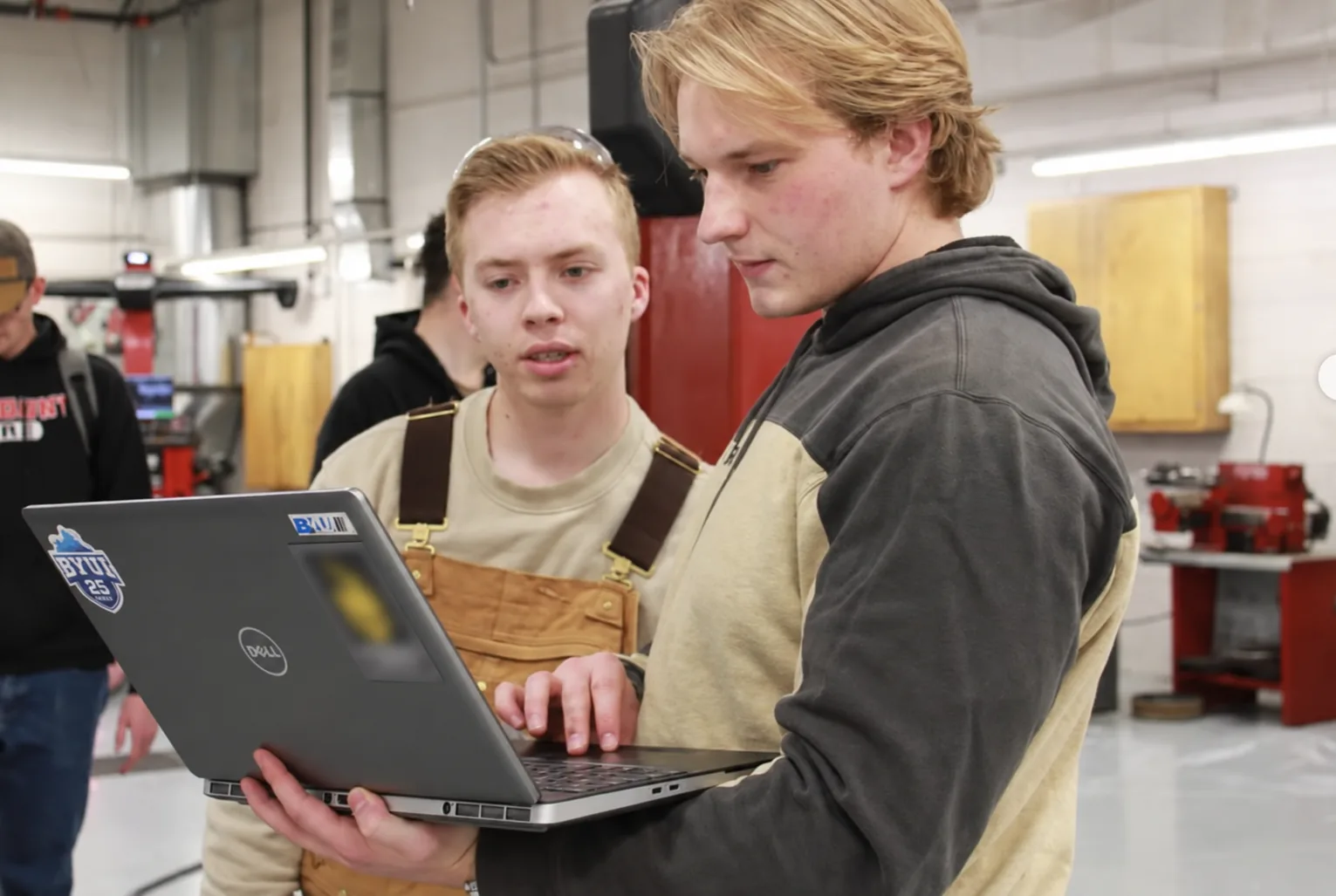
Business work keeps the project organised and connected. Planning, documentation, outreach, and in-kind partnerships help coordinate the people and resources behind the build while sharing the team’s work with the wider community.
04 / ELECTRICAL
POWER THE PROJECT.
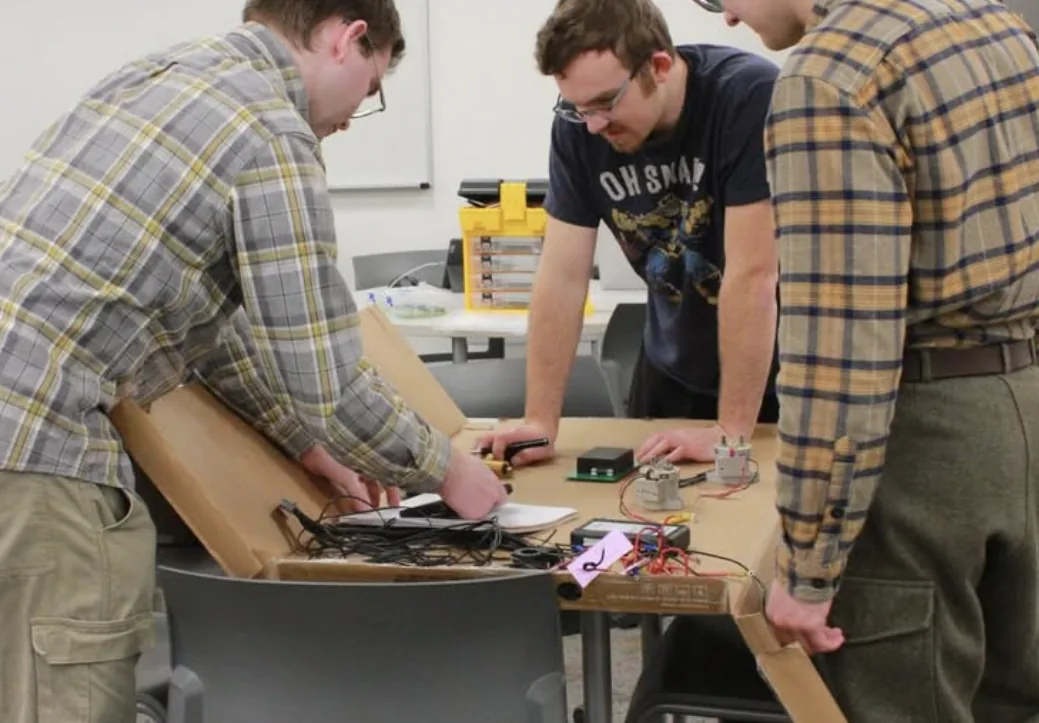
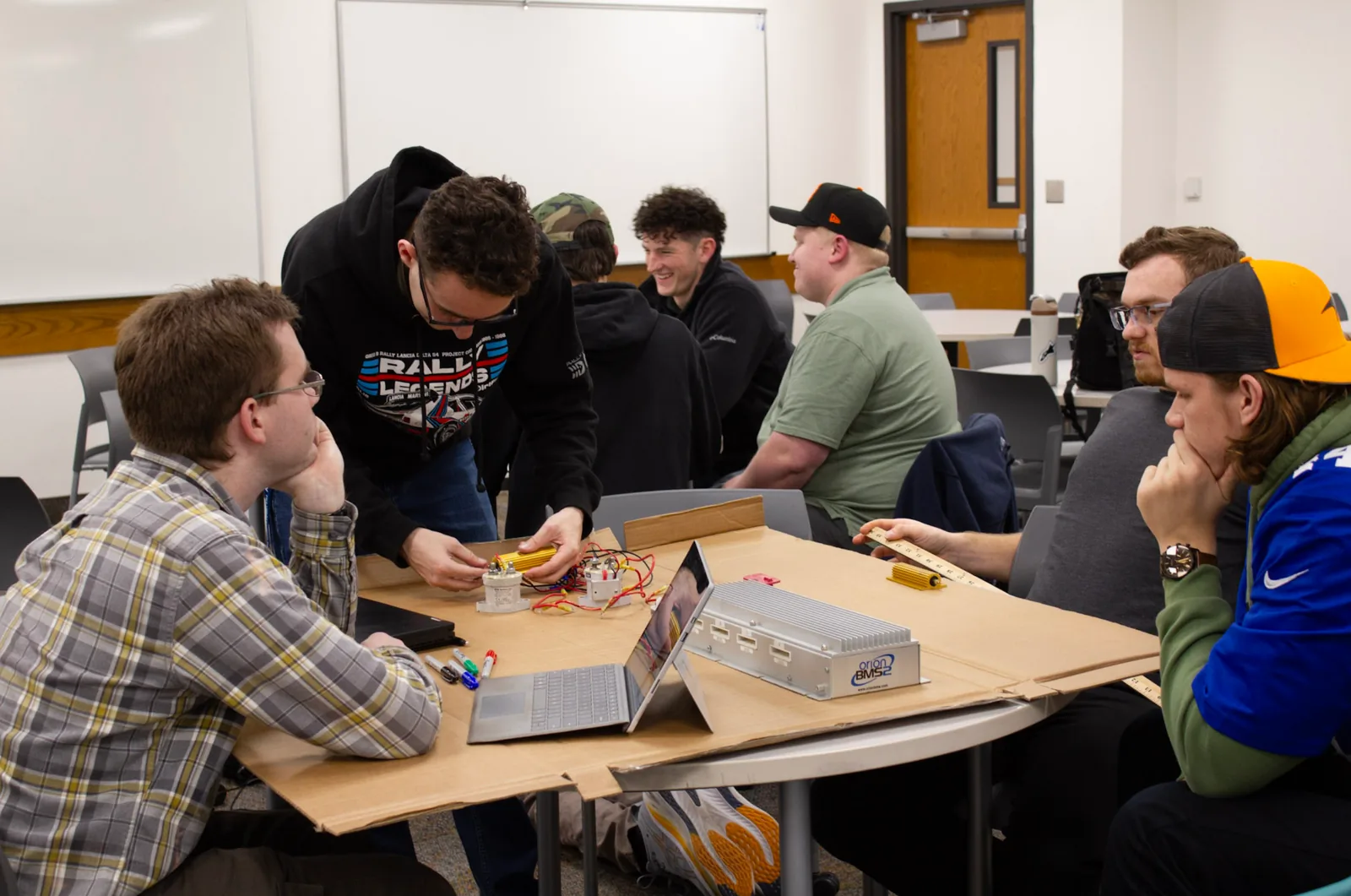
Electrical work connects power, wiring, sensing, and control. Understanding how low- and high-voltage systems interact helps guide thoughtful integration, troubleshooting, and testing, with careful attention to safety and communication across the team.
Our project
FROM CAD
TO COMPETITION.
We’re designing and building VIKING.1, an electric formula car, at BYU-Idaho. Students work on the chassis, suspension, electronics, and controls, then assemble and test what they’ve designed. We’re preparing the car for Formula Hybrid+Electric.
Competition information
FORMULA HYBRID
+ ELECTRIC.

April 25–29, 2027
New Hampshire Motor Speedway
Loudon, New Hampshire
Student engineering, put to the test.
Founded in 2006 and run by Dartmouth’s Thayer School of Engineering, Formula Hybrid+Electric is part of the SAE Collegiate Design Series. University teams design and build formula-style hybrid or all-electric racecars, bringing engineering disciplines together with a focus on drivetrain innovation and energy efficiency.
-
ENGINEERING & PROJECT MANAGEMENT
In the static events, students explain and defend their engineering decisions to expert judges. Project management judging examines how teams plan and carry out the work through a written plan, an interim report, and a final presentation.
-
PERFORMANCE ON TRACK
The dynamic events test acceleration over 75 meters, handling and maneuverability on an autocross course, and durability over a 44-kilometer endurance run. Electric-only cars must complete endurance using the energy stored in their accumulators.
Beyond competition
UPCOMING EXHIBITIONS.
Details to be announced.
Check back here for upcoming exhibitions, including dates, locations, and opportunities to see the team’s work in person.